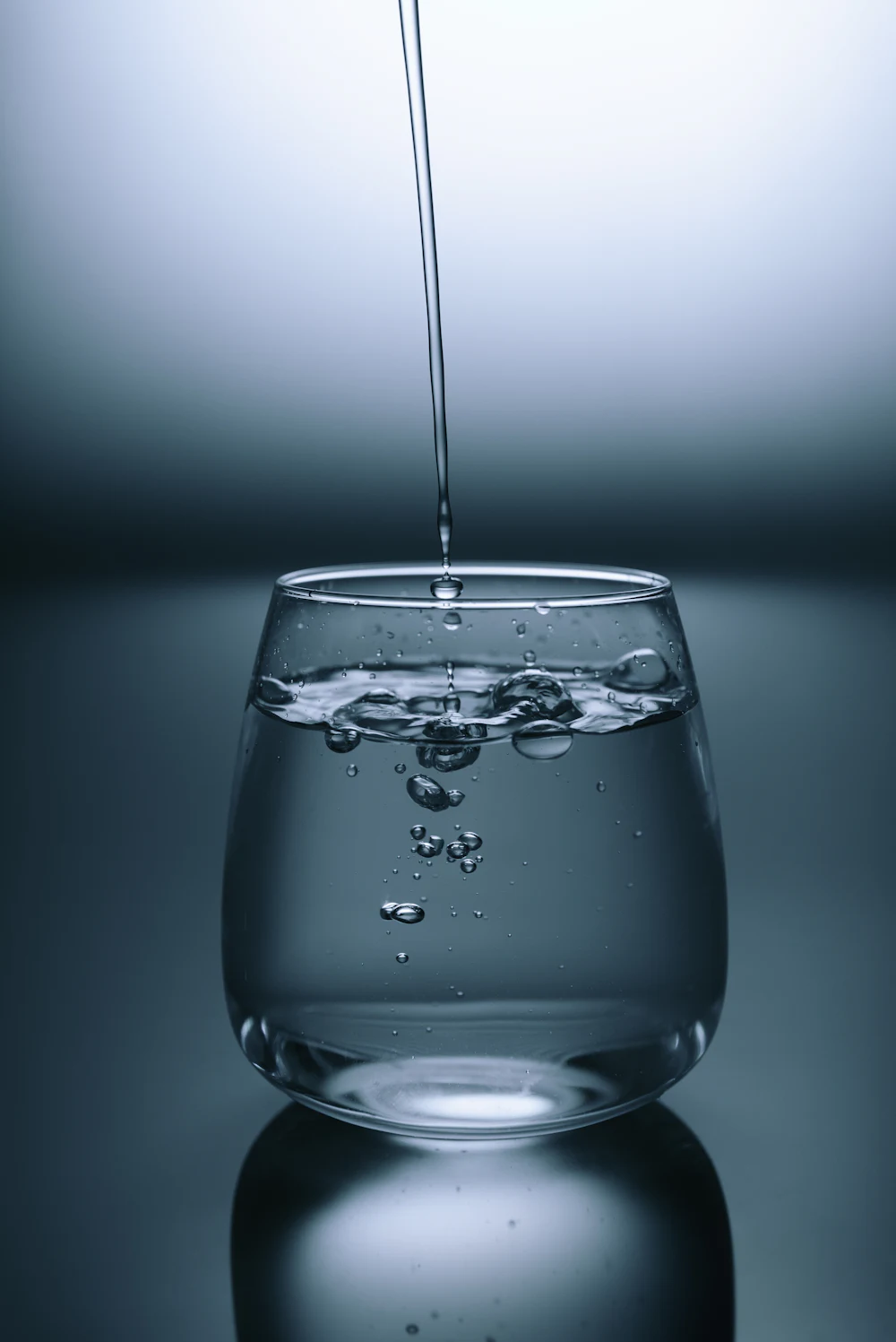
Is it better for the planet?
Livestock consumes freshwater twice over — for hydration and for irrigated feed crops. Eating lower on the food chain removes that multiplier.
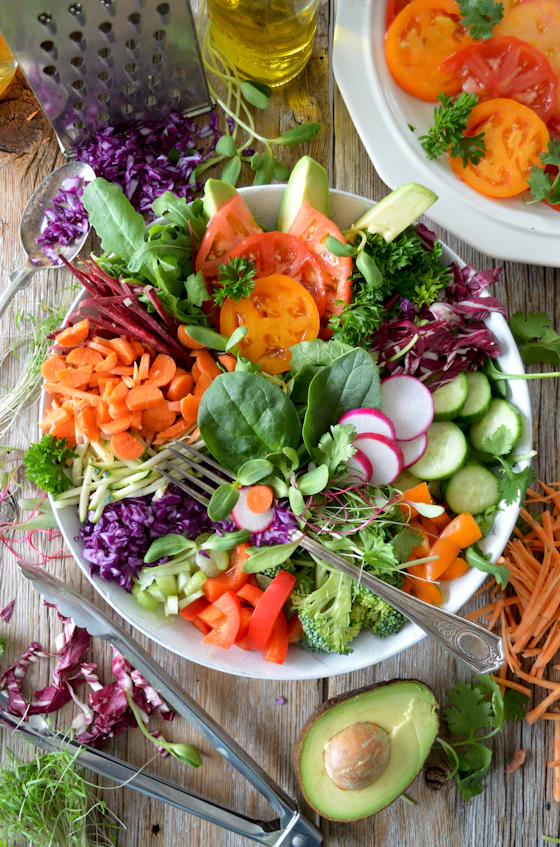
Welcome to my Biology Sustainability Project. What started as a class assignment has evolved into a fully tracked, data-backed journey toward a smaller environmental footprint. Over 30 days I meticulously tracked my grocery data, eliminated food waste, and transitioned entirely to a lower-water-footprint, plant-based diet.
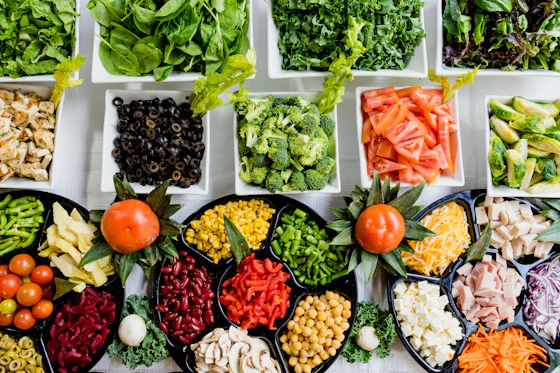
My mission is to demonstrate that transitioning to a sustainable, plant-based diet is not only crucial for reducing global carbon and water footprints, but is also highly accessible, physically sustainable, and economically beneficial.
By open-sourcing my meal plans and data trackers, I aim to equip the community with the tools to make environmentally conscious dietary choices that minimize food waste and optimize personal health. Everything here — the pricing spreadsheet, the Python analysis, the weekly reflections — is published exactly as I recorded it.
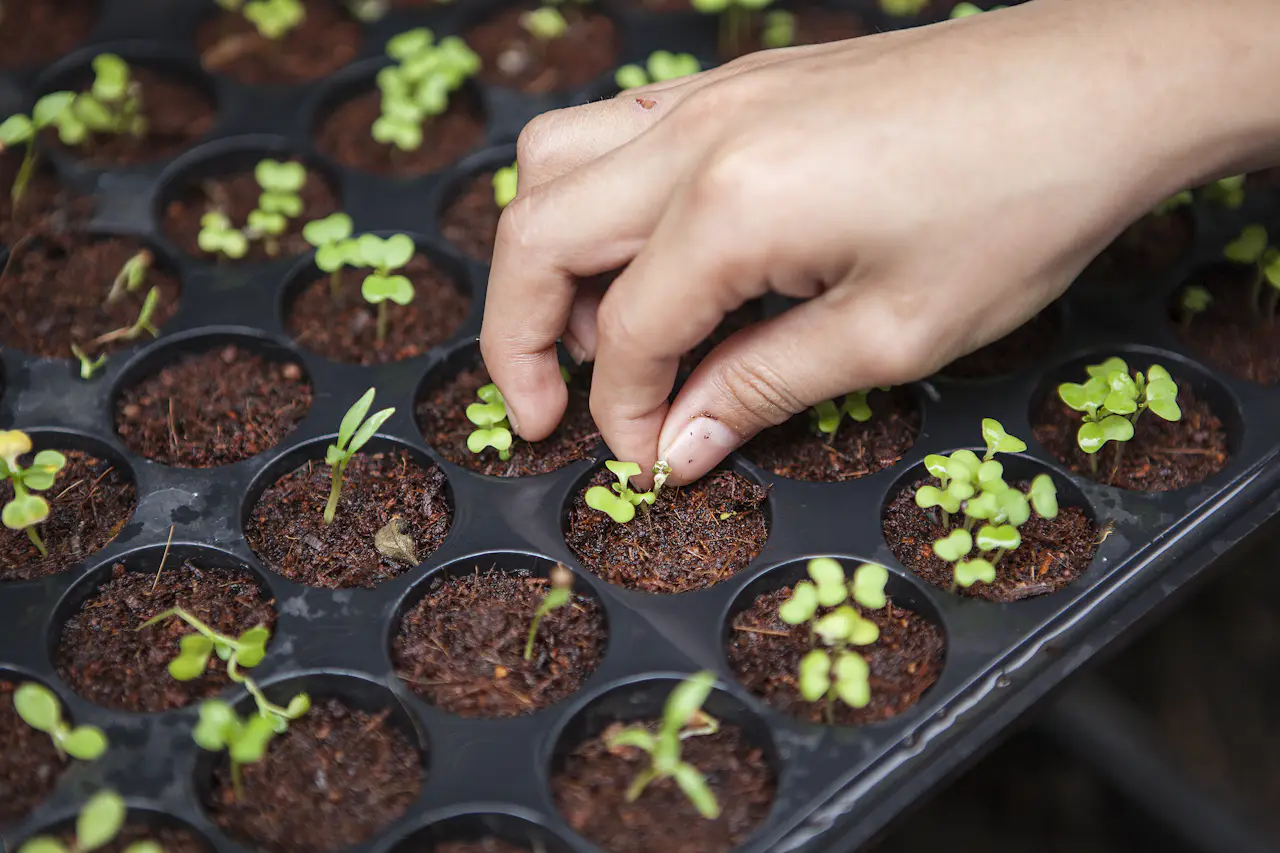
I wanted answers that were measurable rather than anecdotal — so I tracked every receipt, every workout, and every gallon of embedded water.
Livestock consumes freshwater twice over — for hydration and for irrigated feed crops. Eating lower on the food chain removes that multiplier.
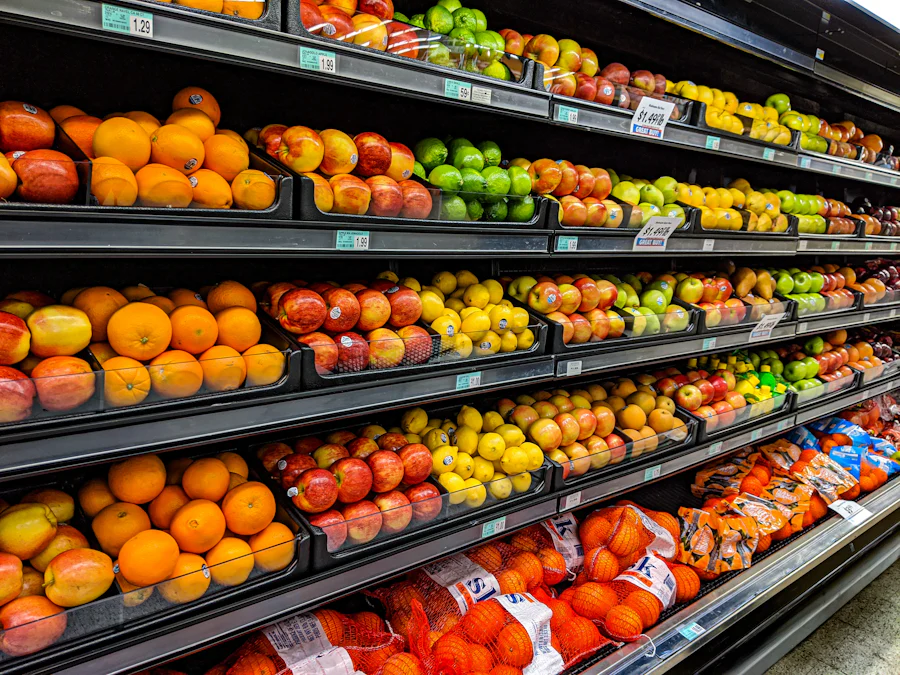
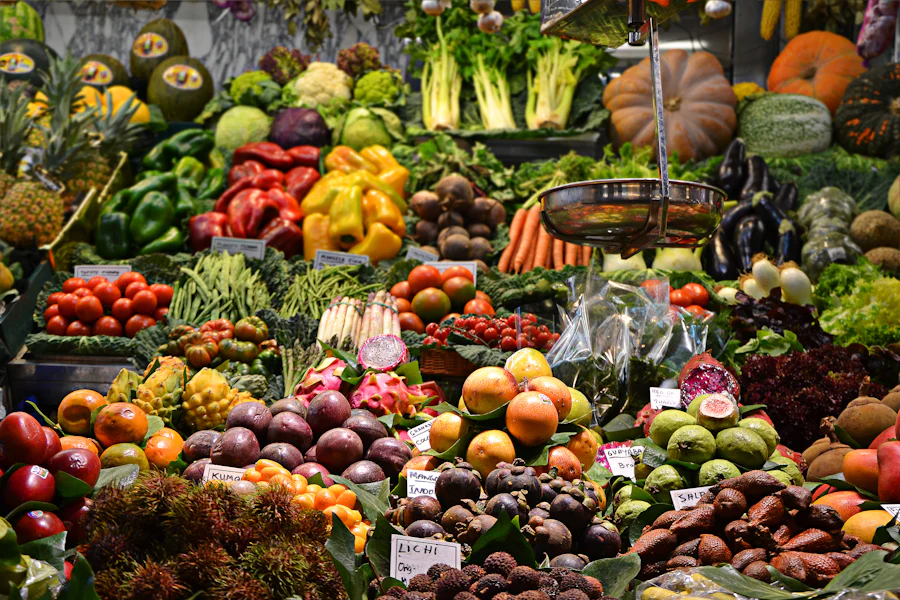
I priced a 3,000-calorie, high-protein plant-based cart against a standard omnivorous one using real Midwest grocery pricing. The gap was $57.86 a month.

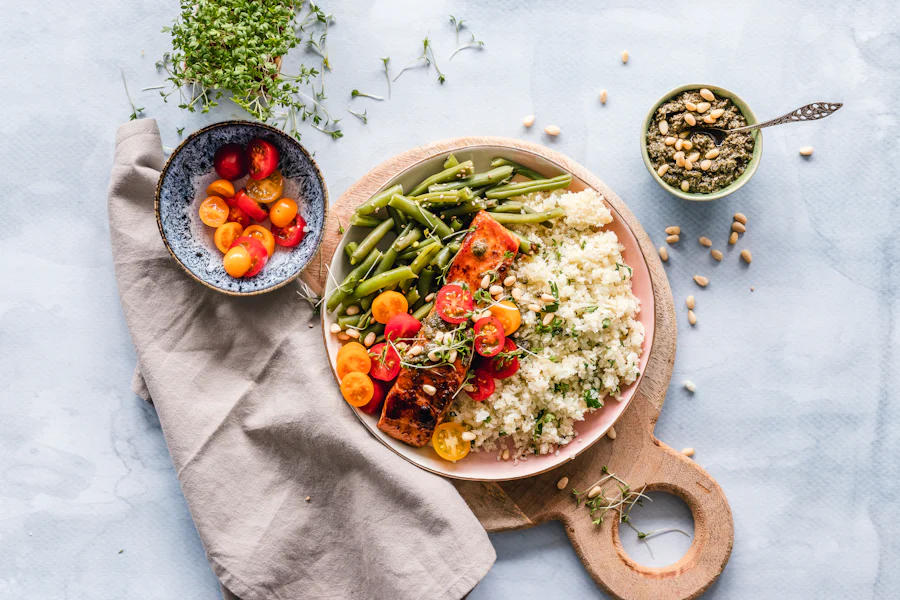
Four weeks of weightlifting, tracked macros, and honest notes on the fibre adjustment, the energy dip, and the recovery that followed.
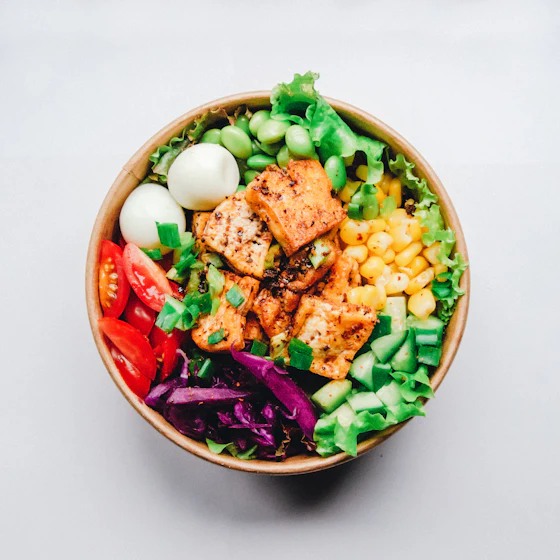
That single shift can save an estimated 3,000 to 4,000 gallons of water a month — and it takes nothing more than a different aisle on your next grocery run.