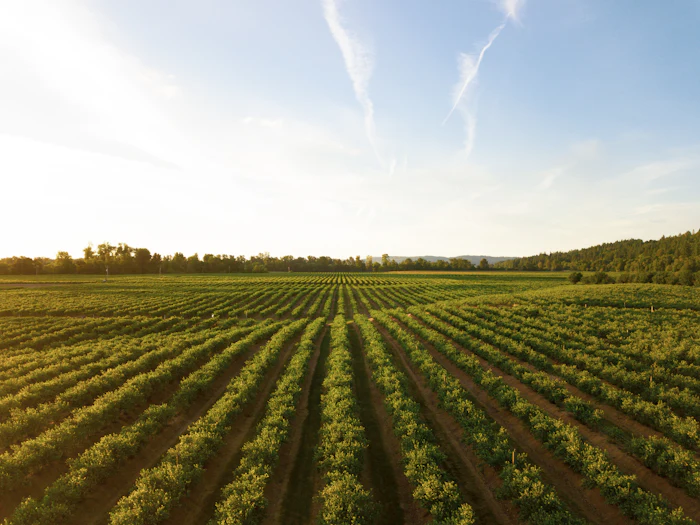
Feed crop irrigation
A large share of cultivated land grows food for animals, not people. Every acre of that feed carries its own irrigation, fertiliser, and fuel burden before the animal is even fed.
Industrial agriculture, particularly meat and dairy production, is incredibly resource-intensive. It requires massive amounts of freshwater for livestock hydration and feed crop irrigation.
Meat and dairy production draws down enormous volumes of freshwater — first for the animals themselves, then again for the irrigated feed crops that sustain them.
That double demand contributes significantly to the disruption of global biogeochemical cycles and to escalating water scarcity. The water never appears on the receipt, but it is embedded in every pound of product that leaves the facility.

Fundamental biological principles dictate that eating at lower trophic levels is vastly more efficient than filtering that same energy through primary consumers.
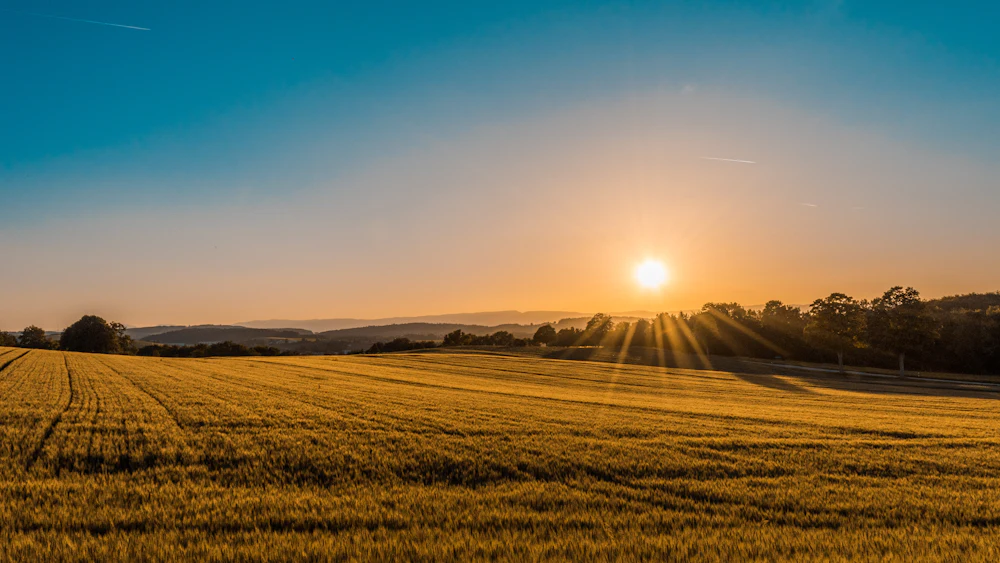
Roughly 90% of the energy held at one trophic level is lost as heat and metabolic work before it reaches the next. Eating plants — the producers — means collecting that energy directly, rather than paying a 90% tax to route it through livestock first.
Scaled across a food system, that inefficiency is not a rounding error. It is the difference between feeding a population from a given acreage and needing many times more land, water, and fertiliser to produce the same nutrition.
A large share of cultivated land grows food for animals, not people. Every acre of that feed carries its own irrigation, fertiliser, and fuel burden before the animal is even fed.
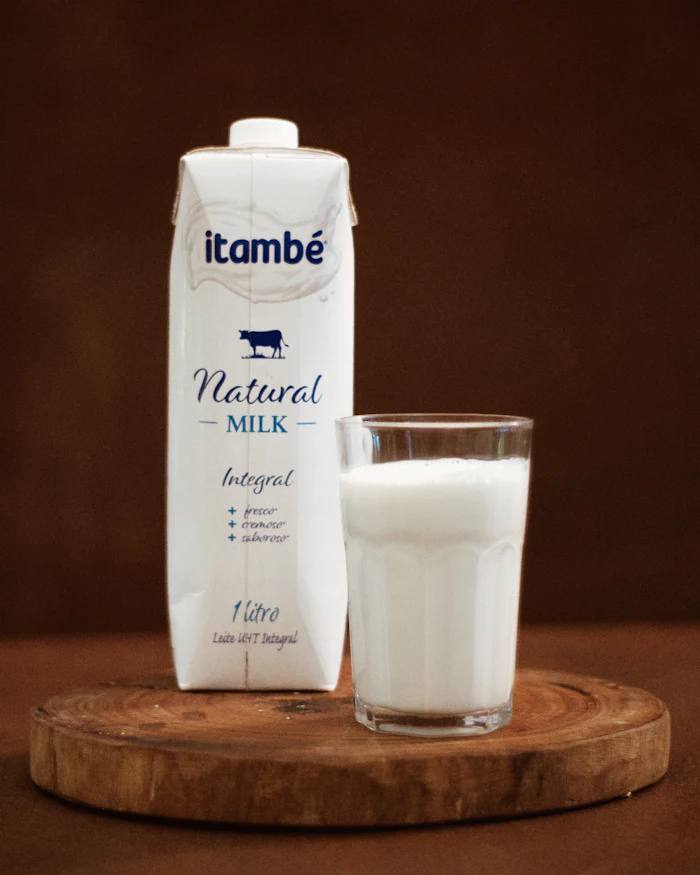
Methane from enteric fermentation and carbon released across the supply chain are generated continuously throughout an animal's lifecycle — not just at the point of processing.

Extensive land is required to raise livestock at scale. Reducing that demand is one of the most direct levers an individual has on habitat and carrying capacity.
The takeaway: shifting to a plant-based diet directly mitigates these environmental stressors. It shortens the chain between the energy the sun provides and the energy that ends up on the plate.
The environmental argument is only half the story. The other half is the grocery bill — and that is where the common objection lives.