
Page 04 · My 30-Day Journey

Beyond the Data: How the Transition Actually Felt

Changing your diet isn't just about environmental impact and spreadsheets; it's a physical transition. Here is a transparent look at how my body and mind adapted over the four weeks.

An overhead spread of raw vegetables and legumes in bowls
The Adjustment Phase

Fibre, bloating, and heavier lifts.

The first few days were challenging. My body was adjusting to a massive increase in dietary fiber, which led to some initial sluggishness and bloating. Hitting my usual numbers during weightlifting sessions felt noticeably more difficult as my body adapted to sourcing glycogen and energy from new plant-based carbohydrate sources. I had to pay strict attention to my protein intake to ensure I wasn't under-eating.

A smoothie bowl topped with fruit and seeds
Finding the Rhythm

Digestion regulates, recovery returns.

By day ten, my digestion had completely regulated. The initial fatigue lifted, and my energy levels throughout the workday began to stabilize. I figured out how to properly utilize plant-based protein powders, seitan, and edamame, which allowed my muscle recovery post-gym to return to normal. Grocery shopping also became faster as I learned the layout of the produce and bulk grain aisles.

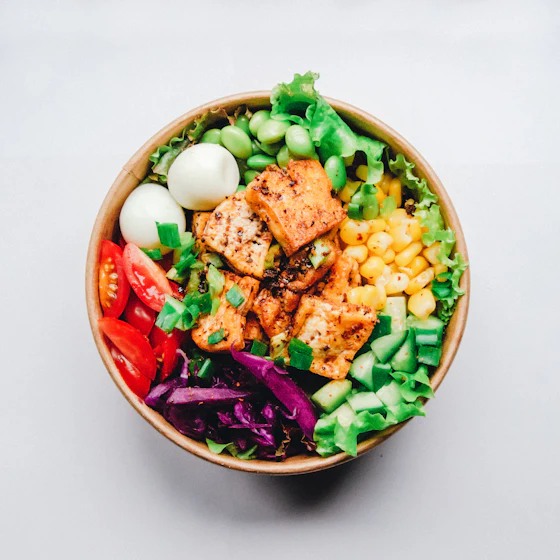
A colourful plant-based grain bowl
The Energy Boost

No more midday crash.

This is when the benefits became undeniable. I experienced a significant reduction in the midday "crashes" I used to feel after heavy, meat-centric lunches. My cardiovascular endurance felt lighter, and my recovery time between intense physical training sessions was surprisingly rapid. The meal prep was also taking less time, as many plant proteins — like beans and tofu — require less cooking and food-safety prep time than raw chicken or beef.

A noodle and vegetable bowl served with chopsticks
The New Normal

It stopped being a project.

By the final week, the plant-based diet felt entirely intuitive. I no longer had to actively track my macros as strictly, because my standard meal rotations were naturally hitting my ~3,000 calorie and high-protein targets. Physically, I felt lighter and more energized, but the biggest shift was mental. There was a profound sense of satisfaction knowing that my physical goals were aligning perfectly with the environmental goals of reducing my water footprint and carbon emissions.

Four weeks in one line each

What the month actually taught me.

~10Days to regulate digestion
3,000Calories held daily
0Missed training sessions
FasterMeal prep than raw meat
A vegetable pasta bowl arranged on a linen cloth

The rotation that carried the month.

Once a handful of meals became automatic — tofu scrambles, lentil bolognese, seitan stir-fries, bean and grain bowls — the tracking stopped being necessary. The macros took care of themselves because the defaults were already right.

The biggest shift was mental: my physical goals and my environmental goals stopped competing.